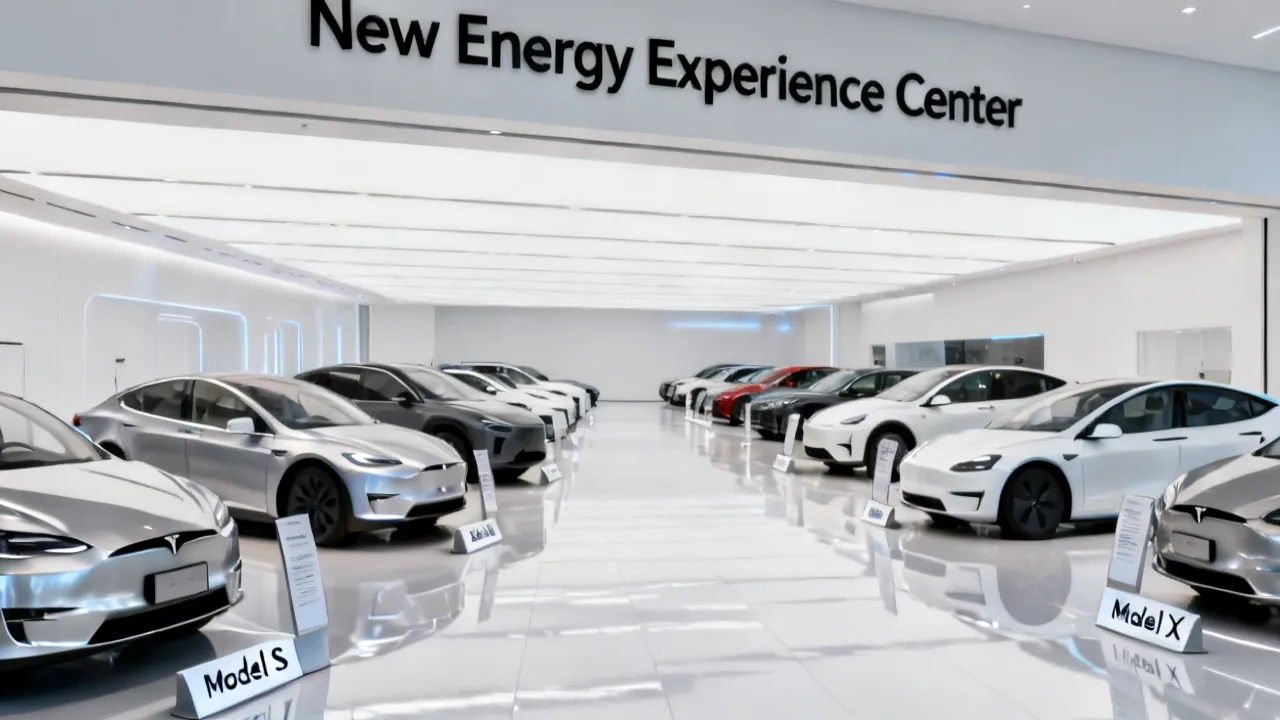
Polestar Southampton Guide for Buying an EV Nearby
This guide explains how to research, compare, and buy a Polestar vehicle with confidence in the Southampton area, focusing on what matters very for good value. It also provides objective background on the Polestar brand and the practical steps buyers typically follow—reviewing listings, checking stock and financing terms, and confirming charging suitability. Finally, it highlights reputable online marketplaces where EV inventory is often shown.
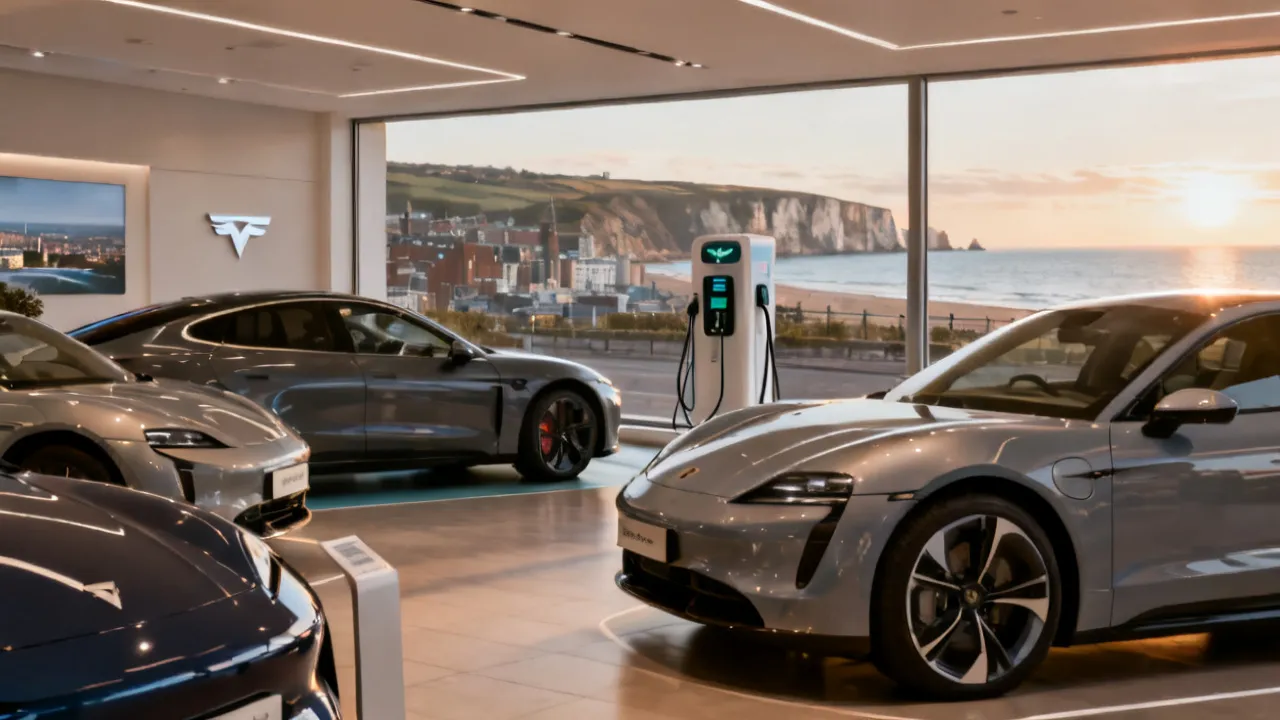
Start Here: Choosing the Right Polestar Purchase Near You
If you’re considering a Polestar Southampton purchase, the fastest path to a sensible decision is to treat the process like a structured evaluation: confirm the exact vehicle configuration, verify availability and delivery timelines, compare the total cost of ownership factors that matter (financing terms, insurance considerations, and charging practicality), and document everything before committing. For many shoppers, the difference between “a good deal” and “a good outcome” is the buyer’s discipline around these checks—especially for electric vehicles where charging setup can influence convenience and costs.
Southampton is a busy UK port city, so car buyers there often think in terms of everyday usability: commuting reliability, easy access to charging, and predictable service support. With Polestar, that mindset aligns well with how many owners plan their EV routines—mapping where charging happens very frequently and matching the car’s real-world range to daily schedules. Because the city’s traffic patterns, parking styles, and typical commuter routes can be different from inland towns, your “EV plan” for Southampton should be practical—not theoretical. The best purchase decisions tend to come from matching the car to your specific rhythm: where you charge on weekdays, how you handle longer trips on weekends, and how you plan for contingencies when a charger is down or a slot is unavailable.
Start by separating what you can control (vehicle specification, price terms, delivery arrangement, and your own charging plan) from what you cannot (future energy prices, charger availability changes, and policy shifts from providers). When you focus on the controllable items, buying becomes less stressful. The result is a smoother experience—from the first enquiry to the handover day—and a more confident ownership phase.
Why Polestar in Southampton Attracts EV-Ready Shoppers
Polestar is known for positioning itself in the premium electric segment with a strong emphasis on clean design, modern software experiences, and a direct-to-consumer mindset in many markets. Buyers who search for Polestar Southampton frequently have at least one common goal: reduce uncertainty about purchase quality and good ownership costs by comparing current inventory and confirmed specifications.
From an industry perspective, shoppers benefit very when they avoid browsing “broadly” and instead narrow down to: (1) the model and trim that fit their needs, (2) the drivetrain and battery variant that matches their typical travel pattern, and (3) the terms of purchase (including delivery conditions and warranty coverage). This approach is particularly relevant in EV markets because the charging environment—home, workplace, public networks—affects satisfaction after purchase. Two Polestar cars that look similar on a listing can still create very different daily experiences if one configuration is better aligned with your charging reality or if the included options meaningfully improve usability.
In Southampton, EV shoppers often consider the following practical realities when they look for Polestar options:
- Time in the car versus time around it: If you spend more time commuting through city traffic, smooth drivability and efficiency matter. If your trips are longer or more frequent, range and charging speed become priorities.
- Parking and charging constraints: Many households and apartments have varying ability to install home chargers. That makes public charging planning more important.
- Daily route patterns: Coastal driving, commuting corridors, and highway entries can affect energy usage. Your “range” question should be answered in the context of your own routes.
- Service support and dealer responsiveness: Buyers want to know how easy it is to book servicing, resolve software issues, and access parts if needed.
Because these considerations are local and practical, the phrase Polestar Southampton isn’t only a geographic label—it’s a proxy for “find a car that fits the way I live and charge.”
What to Check Before You Commit to Any Polestar Listing
Whether you’re shopping a showroom, a partner listing, or a used/stock platform, there are recurring decision points that keep outcomes consistent. Think of these as “pre-purchase controls.” The goal is to minimize the number of surprises after you’ve paid a deposit or arranged finance.
EV purchases add one extra layer to this discipline: charging is not an optional accessory. Even if you can “make it work” initially, a mismatched charging plan can turn an otherwise great vehicle into a frustrating experience—especially if you rely heavily on public charging where availability and pricing can vary.
- Exact specification: Confirm trim, paint, wheel size, infotainment features, and any included options. For EVs, even seemingly minor options can influence charging-related experiences (for example, cable/adapter inclusions depending on region and package). Also verify software/tech options that could affect user experience, such as driver-assistance features, audio system differences, and any integrated services included at sale.
- Condition and history (if used): Service records, accident checks where available, and verification of warranty status. If the car is pre-owned, ask for details that show how it’s been maintained: tyre condition, brake wear status (if relevant), battery-related information if disclosed by the seller, and whether any recalls or software updates have been completed.
- Availability and lead time: Stock can change quickly. In a nearby search context, always verify whether the car is physically available for immediate handover or requires build/delivery time. Clarify whether delivery is guaranteed by a specific date or if it’s an estimated window. If you’re moving from an existing vehicle, coordinate the handover date so you don’t create a gap that forces expensive rental costs.
- Financing clarity: Ask for a full breakdown of monthly payments, deposit requirements, interest rates (where applicable), and total payable amount—not just a headline figure. Request a comparison of any add-ons included in the finance offer, because sometimes “cheap monthly payments” can hide higher total cost.
- After-sales and support: Check how service scheduling works and what is covered under the warranty or service plan. Confirm whether there is a direct support pathway for issues that are common in EV ownership (for example, charging errors, software updates, and connectivity problems). A great vehicle can become a hassle if support is hard to access.
- Charging readiness: Evaluate charging access at home and on common routes. If you frequently travel around the Hampshire coastline or into nearby urban areas, consider how public charging fits your routine. If home charging is possible, clarify what charger type is recommended and whether installation support is offered. If home charging isn’t possible, map your likely public charging locations and confirm connector compatibility.
- Ownership horizon fit: Consider how long you plan to keep the car. If you intend to own for only a short period, purchase terms and depreciation risk might matter more. If you plan to keep it long term, warranty coverage and charging equipment practicality become even more important.
- Total cost of ownership details: Ask about expected costs such as tyres, insurance brackets, servicing cadence, and any recommended checks. EVs can have lower servicing in some areas, but tyres and brake-related wear can still be meaningful factors depending on driving style and wheel sizes.
Reputable Platforms Where You Can Locate Cars on Sale
When buyers search for Polestar Southampton options, they often cross-check multiple online sources to compare inventory and purchase terms. The sites below are widely used marketplaces and can help you locate listings that may be relevant to your timeframe. Use them to shortlist vehicles, then verify each candidate directly through the seller’s or dealer’s process before buying.
It can be helpful to use marketplaces in a “two-step” workflow: first, use the filters to create a manageable shortlist; second, contact the seller for written confirmation of the specific vehicle details you found. That approach reduces the risk of relying on stale inventory photos or incomplete listing details.
| Marketplace | What You Use It For | How It Helps EV Shoppers |
|---|---|---|
| cars.com | Broad search across new and used vehicles | Compare listings quickly and filter by key attributes |
| carmax.com | Curated inventory presentation | Support structured comparisons when deciding between stock options |
| caronsale.com | Market-style vehicle listings | Useful for finding variants and viewing status details |
| autotrader.com | Dealer and private listings aggregation | Helps identify current listings that match your criteria |
source: [www.cars.com](www.cars.com) [www.carmax.com](www.carmax.com) [www.caronsale.com](www.caronsale.com) [www.autotrader.com](www.autotrader.com) (Information source for marketplace references.)
When using these platforms, always remember that listing pages can change. Availability might update, vehicles might move to a different dealer, or new options might be added/removed. That’s why the best practice is to obtain the seller’s confirmation (and VIN details where appropriate) before you treat any listing as “real.”
How to Find and Buy a “Cheap” Car (Without Sacrificing Confidence)
In everyday buying practice, the word “cheap” can be misleading. As an industry approach, treat “cheap” as a balance of price + verifiable condition + predictable total cost. For EVs near Southampton, it also means charging practicality—because convenience influences whether you actually enjoy the vehicle you purchase.
A truly inexpensive car is only inexpensive after the “hidden cost” question is answered. Hidden costs for EVs often include:
- Charging gaps: If the car requires adapter hardware you don’t have, or if your local charging options are limited, your effective cost rises (time, money, and inconvenience).
- Insurance mismatch: Some trims and wheel setups can push insurance premiums higher. If insurance is significantly more expensive than expected, the “deal” can vanish quickly.
- Tyre and wheel expenses: Larger wheel sizes often correlate with higher tyre costs and potentially more frequent replacement depending on roads and driving style.
- Service and parts readiness: If service access is slow or difficult, even minor repairs can become costly in both time and money.
-
Set a realistic budget ceiling and a target “out-the-door” number.
Budget for deposit, monthly payments, and any upfront fees. If you’re comparing finance offers, normalize the comparison by looking at total payable amounts where possible. Also factor in immediate post-purchase expenses like insurance start dates, any charger installation steps (if needed), and registration or transfer fees that may apply depending on seller structure.
-
Shortlist by specification first, price second.
For a Polestar buyer, start with the model and trim that fits your needs (space, range expectations for your route patterns, and feature set). Then sort by price within that filtered group. This avoids the common trap of chasing the cheapest listing that doesn’t match your actual lifestyle needs.
-
Use listings to find candidates, then verify directly.
Online platforms are excellent for narrowing options, but verification should happen through the seller’s documented process: confirm VIN details, check final pricing and inclusions, and obtain a written summary of terms. If the listing is “cheap,” treat verification as mandatory, not optional.
-
Assess “value” through ownership factors.
Rather than only focusing on sticker price, compare insurance cost expectations, expected service cadence, tire costs, and—unique to EVs—charging access and charging hardware requirements. Consider whether you can actually achieve the efficiency you expect from the car under real conditions in your area.
-
Negotiate with evidence, not assumptions.
Negotiate based on documented differences: missing options, condition notes, mileage/usage history for used vehicles, and any discrepancies between the listing and the confirmed vehicle details. If the seller cannot provide evidence, assume you will pay the full cost later in repairs, missing items, or additional payments.
-
Confirm handover and return conditions (if applicable).
Where dealers offer policies that define returns, refunds, or limited guarantees, review them carefully. The goal is to avoid uncertainty after payment. Ask what the policy covers, what it excludes, and how quickly issues must be reported.
In Southampton, it can also be worth planning around seasonal factors. For instance, winter weather can increase energy consumption and may influence your charging needs. If you plan a “cheap” deal without ensuring your winter charging plan works, you might experience stress you didn’t anticipate.
Comparison Table: Requirements and Conditions for a Confident Purchase
This table summarizes a practical, buyer-focused checklist you can apply to any Polestar Southampton purchase attempt. The emphasis is on verifiability and clarity rather than hype.
| Step/Requirement | What You Should Expect | Why It Matters |
|---|---|---|
| Specification verification | Confirmed trim, options, and VIN-aligned details | Prevents “mismatch purchases” between listing and actual vehicle |
| Pricing transparency | Full cost breakdown (fees, deposits, total payable where relevant) | Reduces the risk of surprise costs |
| Delivery/collection clarity | Documented timeline and handover steps | Prevents confusion and avoids delays |
| Warranty/service understanding | Written summary of coverage and limitations | Protects good value |
| Charging practicality assessment | Plan for home and likely public charging scenarios | Improves daily usability for EV owners |
To make the table even more useful, you can convert it into a “communications script” before contacting sellers. For example: ask for specification verification first, then pricing transparency, then delivery clarity, then warranty/service coverage, then finally charging readiness. Ending with charging readiness ensures that even if the seller is less experienced in EV-related detail, you still get what you need to plan your lifestyle around the car.
Polestar Southampton: Practical Buying Scenarios to Consider
Buyers in Southampton typically fall into a few predictable scenario types. While your exact circumstance may differ, these patterns help you decide what to prioritize during your search. Instead of treating every purchase like a brand-new experience, use scenario thinking to focus on the biggest risks first.
Below are three common scenarios and how your checklist may need to shift depending on your urgency, experience level, and whether you are buying new or used.
Scenario A: You Want a Low-Stress Purchase Process
If you prefer a straightforward experience, focus on platforms or sellers that present vehicles clearly and provide structured documentation. The goal is to reduce back-and-forth. A disciplined shortlist and a request for written terms are key.
In low-stress purchasing, your priority order often looks like this:
- Confirm the vehicle matches the listing: VIN-aligned details, options included, and any accessories.
- Confirm timeline: handover date, delivery methods, and what happens if the date changes.
- Confirm payment structure: finance terms or outright purchase terms, including any admin fees.
- Confirm after-sales support: how to book service, what is covered, and what requires chargeable work.
If you’re busy (work schedules, childcare, or travel commitments), a low-stress purchase benefits from clear communication. Ask for a single point of contact. Ask for documents in one email thread. When you minimize fragmentation, you minimize the risk of missed details.
Scenario B: You’re Comparing New vs. Used Inventory
For “value” shoppers, used stock can sometimes offer favorable pricing, but it requires closer due diligence. Confirm service history, verify condition notes, and ensure warranty coverage alignment with your ownership horizon. If you’re buying around nearby areas frequently traveled for work or leisure, factor in tire wear and overall condition.
Used inventory can be attractive, but it’s important to understand where risk hides. For EVs, the biggest practical risks often include:
- Tyre condition: uneven wear could mean alignment issues or driving habits that you may need to correct.
- Exterior and interior wear: small dents, scratches, or interior wear can add up in refurbishment costs if you intend to keep the vehicle long term.
- Charging habits implied by condition: a car that was frequently used with certain charging patterns might show different efficiency characteristics depending on how it was maintained (for example, climate impacts on battery care, if that information is disclosed).
- Software status: ask whether relevant updates are current and how charging software issues (if any) are handled.
When comparing new vs. used, consider the psychological and time cost too. New cars often have predictable support and fewer maintenance surprises. Used cars may save money upfront but require a stronger verification effort. The “best” choice depends on whether you value your time and peace of mind as much as you value the purchase price.
Scenario C: You’re Moving Fast Because Availability Changes
EV inventory can move quickly when listings are highly specific. If you want to buy sooner, prepare your documents in advance for any finance process, and ask the seller to confirm availability details early—before you finalize your decision.
In a fast-moving scenario, you’ll want a “speed checklist”:
- Have your finance paperwork ready: or be prepared for the documentation required to finalize quickly.
- Request the key vehicle documents immediately: specification confirmation, warranty status, and any included accessories.
- Confirm handover logistics: when you pick up the car or how delivery is arranged, including who you contact on delivery day.
- Ask one charging-focused question early: about charger/cable inclusions, recommended charging approach, and whether the car includes any accessories needed for typical EV charging methods.
Speed can be a strength if you remain disciplined. The biggest risk when moving fast is making assumptions and skipping verification. A car can sell quickly, but your checklist should still be executed. The right strategy is to streamline your process without skipping the essential confirmations.
Industry Expert Notes: How to Avoid Common Buyer Mistakes
From an expert lens, many avoidable issues come from three sources: incomplete comparisons, unclear terms, and underestimating post-purchase lifestyle fit. Here’s a professional approach to reduce risk.
- Don’t compare by monthly payment alone. Compare by total payable amount and the deposit/term structure when possible. Monthly payment comparisons can mislead because different interest rates, deposits, or term lengths change the true cost. Always ask for a total cost figure.
- Don’t assume charging is “universal.” Public chargers vary in reliability and speed. A smart plan includes at least one charging option you can depend on weekly. If you cannot identify that option, a “cheap” purchase may become expensive in the form of extra time and detours.
- Don’t skip documentation. Whether you buy in-person or online, request the key documents in writing. A written record protects you when there’s a misunderstanding about what was included.
- Don’t ignore small feature differences. For premium EVs, options and software-related feature availability can influence day-to-day satisfaction. A car that lacks a key feature you care about can feel “wrong” even if it’s otherwise an excellent deal.
In addition to those common mistakes, experts often recommend that buyers treat the first month after purchase as part of the purchasing process. Before your handover, plan a charging “trial period.” For example: identify your nearest reliable charger, plan one longer trip route to test charging behaviour, and ensure you know how to start and stop charging sessions in the way you prefer (apps, card access, or station flow). A small amount of planning reduces stress later.
Expanded EV-Focused Checklist for a Southampton Buyer
Because your purchase is in a real city with real constraints, it helps to use an EV-focused checklist that goes beyond “specs on paper.” The goal is to ensure the car, your access to charging, and your day-to-day routine reinforce each other.
1) Home charging reality check
If you can charge at home, your EV experience can be dramatically smoother. But “can you charge at home?” is not a yes/no question—it’s a set of practical considerations. When contacting a seller, you can’t solve your home setup through negotiation, but you can confirm whether any essential accessories and recommended charging approach are included.
Consider these points:
- Where will you park overnight? Proximity to a wall outlet (or the electrical panel) matters. If a charger installation is planned, ask whether any seller guidance or charging accessory is included.
- Do you need an installation? Many buyers underestimate how long installation can take. Build that into your timeline if you want to “start charging immediately” after delivery.
- What speed are you likely to use? Your home charging speed affects how much range you regain overnight. If you commute longer distances, ensure your planned home charge speed meets that need.
- How do you track charging costs? EV ownership is more affordable when you can estimate charging sessions and costs. Make sure you know how you will track expenses and energy usage.
2) Public charging fallback plan
Even with home charging, you should have a fallback plan. Public charging is necessary if you travel, if you forget to charge, or if something goes wrong with your home setup. In Southampton, your fallback plan should include at least:
- One near-home charger: for daily top-ups or short errands.
- One “route-friendly” charger: for longer trips or when you need predictable capacity.
- One backup option: because chargers can be offline or occupied.
When evaluating public chargers, prioritize reliability over maximum speed. A charger that offers slightly less speed but is consistent will usually save more time than a theoretical “fastest station” that fails frequently.
3) Charging connectors and compatibility
Charging compatibility can be a “gotcha” if you’re not careful. While compatibility is usually standardized in many networks, differences in connector types, app requirements, and card authorizations can create friction.
Practical steps include:
- Confirm connector types you expect to use: identify whether your chosen public networks match your car’s typical charging interface.
- Confirm authentication: many stations require an app, membership, or a RFID card. Make sure you’re prepared to access them quickly.
- Plan for “day one” access: before you take delivery, know how you will start charging at your most likely public station.
4) Battery and range expectations in the real world
Range claims are often based on standardized tests, but your real range depends on driving style, weather, tyre pressure, and speed. In and around Southampton, you may experience a mix of urban stop-start driving, faster road sections, and occasional highway travel. Build your range expectations accordingly.
To make this more practical:
- Estimate your daily driving energy: consider both distance and typical speed/traffic conditions.
- Factor in seasonal effects: colder weather can reduce range and increase charging frequency needs.
- Decide on a “buffer”: plan to arrive at charging points with a comfortable margin rather than running the battery down to the edge.
5) Insurance and costs that affect “true deal” value
Insurance is often underestimated when buyers look at the “cheap price” of a vehicle. EV insurance can vary widely by driver profile, vehicle trim, and postcode. Before you commit, run insurance estimates as early as possible—ideally while you’re still deciding between two candidate cars.
Also consider tyres. Wheel sizes and tyre profiles affect cost. When you evaluate used vehicles, check tyre tread and ask whether tyres are near end-of-life. A lower purchase price plus expensive tyres can become a poor deal once you factor the near-term replacement schedule.
6) Service planning and local support
Owning an EV should be simpler in many ways, but service planning still matters. If you have preferences for how and when you service the car, confirm the booking process and expected timelines.
Practical service questions include:
- Where will service be performed? Is there local support near Southampton or do you need to travel?
- How quickly can you book? EV service may involve specialized procedures, software updates, and scanning tools.
- What is the warranty coverage detail? Confirm what is covered and whether exclusions apply.
- What is the process for software-related issues? If connectivity or navigation features behave unexpectedly, understand what support pathway exists.
Communication Templates: Questions to Ask Sellers in Southampton
One of the biggest advantages you can create as a buyer is clarity in your questions. If you ask the right things, you quickly identify sellers who operate with transparency and those who do not. Below are examples you can use when contacting sellers for Polestar Southampton listings.
Specification confirmation questions
- “Can you confirm the exact trim level, paint colour, wheel size, and included options for this vehicle?”
- “Can you share the VIN and confirm it matches the vehicle on the listing?”
- “Are there any accessories included (cables, charging accessories, or adapters), and are they part of the final sale?”
Pricing and finance questions
- “Can you provide a full breakdown of pricing including any deposits, fees, and total payable amount?”
- “If this is a finance arrangement, what is the APR, term length, and total interest cost?”
- “Are there any additional charges due at handover (documentation fees, delivery fees, or admin costs)?”
Delivery and handover questions
- “What is the planned delivery/collection date, and is it guaranteed or estimated?”
- “What is the handover process on delivery day, and what documents will I receive?”
- “If delivery timing changes, what compensation or options are offered?”
Warranty and service questions
- “What warranty coverage is included at purchase, and how long does it last?”
- “Where can I book service, and what is the usual turnaround time for appointments?”
- “Are there any known issues or open recalls, and has the vehicle been updated?”
Charging and ownership questions
- “Based on typical ownership here near Southampton, what charging accessories or recommendations do you suggest for day-to-day use?”
- “Do you include any charging cables or adapters with this car?”
- “Is there any guidance on best charging practices to preserve battery health over time?”
Even if a seller can’t answer every charging question, a seller who provides written information and directs you to official documentation is a strong sign. Sellers should at least clarify included items and provide correct specs.
FAQs
1) What does “Polestar Southampton” mean for buyers?
It generally refers to Polestar vehicle shopping options that are associated with the Southampton area. Practically, you should treat it as a location-based search intent: you’re looking for available vehicles, listings, and sellers that can support purchase and handover near you or within a reasonable distance.
It’s also worth remembering that “near you” may mean different things depending on the buyer. Some people will travel within Hampshire for a better deal, while others want minimal travel. Define your travel tolerance early, then filter listings accordingly.
2) How can I find a Polestar on sale efficiently?
Use reputable marketplaces to shortlist vehicles by model and specification first, then check current pricing and availability through the seller. Confirm the VIN-aligned details, inclusions, and final purchase terms before proceeding.
Efficiency improves when you maintain a shortlist spreadsheet or a note list. Record the specification details, asking price, finance terms, and delivery timeline for each candidate. When you contact sellers, you can reference these notes and ask precise questions, which helps you get answers faster.
3) Is buying a “cheap” Polestar always a good idea?
Not necessarily. A lower price can be good value only if the vehicle’s condition, verified specification, warranty/service position, and charging practicality are aligned with your needs. “Cheap” without verifiability increases the risk of hidden costs.
In other words, treat “cheap” as a claim that must be supported by evidence. If the seller can’t explain price differences clearly—missing options, higher mileage, or condition adjustments—then you should be cautious.
4) What should I prioritize for EV charging after purchase?
Prioritize where you will charge very often. Ideally, consider home charging access and also identify one reliable public charging method for your typical routes around nearby commuting and weekend travel.
To make this more actionable, write down your top two charging locations and test them early. If you find that one option is inconvenient, you can adjust your plan before you become dependent on it.
5) Are online car marketplaces reliable for identifying cars on sale?
They can be reliable for discovering and comparing listings, but you should still verify every important detail directly with the seller or dealer. Online listings may change, and final terms should be confirmed in writing.
As an extra guardrail, ask for photos of the actual vehicle if the listing is older, and request documents that confirm the VIN and included items. Buyers often regret skipping this step, especially when the listing emphasizes a “deal” without clear explanation of why it’s priced lower.
Reference Links and Sources (All Links Mentioned Above)
- https://www.cars.com/
- https://www.carmax.com/cars
- https://www.caronsale.com/en
- https://www.autotrader.com/
Disclaimer: (1) The above information comes from online resources, and the data is as of October 2023. (2) For more information, please refer to the official website.