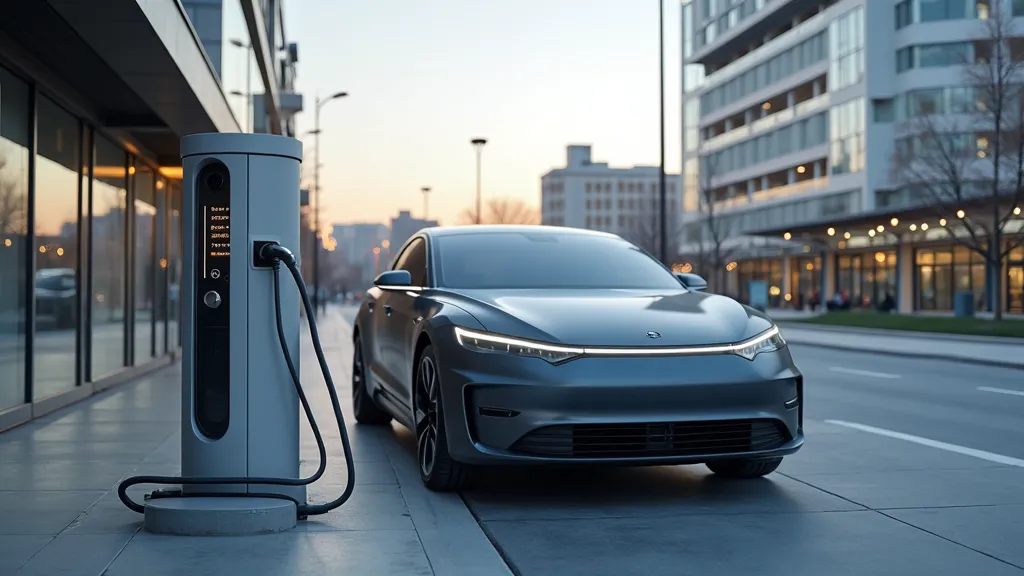
Polestar Southampton: Smart Ways to Buy a Deal
Polestar Southampton can be a strong starting point for shoppers comparing electric-car offers, trade-ins, and financing options in nearby. This guide explains what to look for when evaluating Polestar inventory, how to verify availability and total cost, and how to use reputable car marketplaces—such as Cars.com, Carmax, CarOnSale, and Autotrader—to find car sales responsibly and efficiently.

Key Takeaways for Polestar Southampton Shoppers
If you’re considering Polestar Southampton in nearby as your local reference point, the most effective approach is to compare total ownership cost—not just the headline vehicle price—across the entire purchase or lease journey. That total cost typically includes the agreed price, taxes, delivery and documentation, any required add-ons, warranty and service coverage details, and the real impact of financing terms (APR, term length, deposit, and early settlement rules). Start by confirming current stock and offer conditions directly with the dealership, then cross-check similar listings on major marketplace sites such as Cars.com, Carmax, CarOnSale, and Autotrader to evaluate whether a deal is genuinely competitive or only appears competitive at first glance.
Think of this as a two-layer process: the local layer (Polestar Southampton and the specific vehicle you can test drive, buy, or reserve now) and the market layer (major marketplaces that give you a wider context for what similar Polestar configurations cost across dealers and regions). If you do both, you reduce the risk of anchoring on a single offer that may be out of step with the broader market due to differences in incentives, timing, inventory age, or option packages.
Why “Polestar Southampton” Matters in a Practical Shopping Process
When consumers search for Polestar Southampton, the intent is usually straightforward: find an accessible route to browse current electric-vehicle availability with a local dealership context. However, “local” can mean more than geographic convenience. It also means your interaction with the dealership may affect key steps of the buying experience—test drives, trade-in evaluation, documentation timing, and how quickly you can finalize an order when limited inventory is involved.
In nearby regions, demand and supply can shift quickly—especially for popular trims, limited inventory, and models that are subject to promotional finance packages. Even within the same brand, different inventory units might be equipped with different packages or included accessories. In many cases, the “deal” you see online is tightly linked to the specifics of that unit and the current incentive structure.
From an industry perspective, the best way to approach this is to treat each visit and each online listing as a data point within a single decision framework. That framework should be built around:
- What you can actually get right now: inventory status, VIN-specific availability, and delivery timeline.
- What the offer truly includes: mandatory charges, optional add-ons, and how incentives apply.
- What your costs look like end-to-end: out-the-door cost, monthly affordability, and total interest or leasing charges.
Polestar is known for a relatively direct, experience-led approach to EV ownership, and dealerships typically support key stages such as test drives, trade-in evaluation, and documentation for purchase or leasing. That means your shopping plan should aim to confirm three core items every time:
(1) what is actually in stock (or can be sourced under current terms), (2) what the dealer is offering right now (including warranty/service coverage and incentive assumptions), and (3) what you’ll pay after all mandatory charges and conditions are included.
How to Evaluate Car Offers Like an Industry Analyst
Even when a listing appears attractive, EV buyers should scrutinize the fine print. Offers can look similar on the surface but differ materially in ways that matter for your budget and your ownership experience. Here is a practical checklist you can use whether you start at Polestar Southampton or on an online inventory page.
A. Verify the unit and trim (VIN-specific diligence)
- Verify the unit and trim: Model name, battery/variant, and any included packages should match the official description. If the listing is missing details, ask for a VIN or the “build” spec summary.
- Check option packages: Many buyers underestimate how much option bundles affect the real value. A vehicle with a different interior package, pilot assist suite, audio upgrade, or exterior styling elements may not be equivalent.
- Confirm included accessories: Depending on inventory and timing, accessories such as charging adapters or floor mats may be included or not. Don’t assume.
B. Check pricing structure (separate base price from fees)
- Check pricing structure: Separate the vehicle price from delivery, documentation, registration-related fees, and any “handling” or “processing” charges. Then verify whether any of these are mandatory in your jurisdiction.
- Watch for price vs. “net price”: Some listings show a discount but exclude certain taxes or fees, or they assume you meet eligibility conditions. Ask for the final breakdown to avoid “net price” confusion.
- Identify any mandatory add-ons: Some dealers include add-ons that aren’t optional. If you don’t recognize them, ask what they are, why they’re mandatory, and whether you can remove them.
C. Confirm warranty and service coverage (what transfers, what doesn’t)
- Confirm warranty and service coverage: Ask what coverage transfers to a new owner (if applicable) and whether service plans are included. For EV ownership, service coverage and preventive maintenance terms can significantly reduce long-term uncertainty.
- Clarify coverage boundaries: Ask whether coverage includes parts, labor, and specific components (e.g., drivetrain components, battery-related coverage terms, or software updates). Ensure you receive written details.
- Confirm service availability: Especially for EVs, you should ask about appointment availability and the nearest service center schedule.
D. Understand financing terms (APR is not the whole story)
- Understand financing terms: APR, length, deposit, and early repayment conditions can materially change affordability. A low APR over a long period can cost more overall than a slightly higher APR with a shorter term—depending on your goals.
- Ask how incentives apply: Some promotions are only available under certain credit or payment plans. Confirm whether any rebates depend on financing or specific leasing terms.
- Consider total cost of borrowing: Compare total interest paid or total finance charges, not only the monthly payment.
E. Assess trade-in impact carefully (written appraisal helps)
- Assess trade-in impact carefully: Trade values vary based on condition and market timing. Request a written appraisal where possible, and ask whether your final trade value depends on reconditioning or inspection.
- Understand “netting”: In some deals, the trade-in reduces taxes differently depending on local tax rules. Ask how the tax calculation is handled in your quote.
- Be mindful of payoff amounts: If you still owe money on your current vehicle, confirm how the payoff is handled and whether negative equity is rolled into the new deal.
F. Confirm availability windows (offers can expire)
- Confirm availability windows: Some offers require purchase within a short timeframe or while inventory lasts. Ask for a written expiration date and whether the deal price is locked once you submit paperwork.
- Check delivery timeline commitments: If you’re accepting a vehicle that is in transit, ask for estimated delivery and what happens if the timeline changes.
Supplemental Reference Sources: Official Car Marketplace Websites
To compare offers across dealers and regions, reputable marketplaces can help you confirm whether a vehicle price is aligned with broader market availability. The official websites below provide the baseline references used for the comparison approach described further in this guide.
| Marketplace | Primary Use | How It Supports Comparison |
|---|---|---|
| Cars.com | Inventory discovery | Search listings across dealerships and filter by model, price range, and location |
| Carmax | Curated used-vehicle selection | Cross-check pricing and availability for similarly equipped EVs and other used models |
| CarOnSale | Marketplace aggregation | Compare multiple dealer offers within one browsing workflow |
| Autotrader | Multi-dealer listings | Review listing details and pricing context across regions for quick cross-checks |
source: www.cars.com | www.carmax.com/cars | www.caronsale.com | www.autotrader.com (Source of marketplace information as referenced in this guide.)
Where to Look First: A Two-Track Strategy (Local + Marketplace)
Rather than treating Polestar Southampton as a standalone option, the most efficient method is a two-track strategy. This strategy is designed to reduce two major risks:
- Risk #1: anchoring on one listing that may not reflect the broader market.
- Risk #2: missing critical details that marketplaces don’t always capture (like incentive eligibility, documentation fees, and exact VIN configuration).
Two-track strategy:
- Track A: Local confirmation in nearby
- Start with Polestar Southampton to confirm whether the exact vehicle you want is present or can be sourced under current terms.
- Request a written breakdown of costs (vehicle price, delivery/documentation fees, and any mandatory add-ons).
- Book a test drive early—availability for specific configurations can be limited.
- Ask for the full “out-the-door” number: Include taxes, fees, and financing/lease charges so you can compare apples-to-apples with marketplace listings.
- Confirm the eligibility conditions: If the quote depends on financing approval, trade-in, or time-limited incentives, document those assumptions in writing.
- Track B: Market cross-check using trusted platforms
- Use Cars.com and Autotrader for fast inventory comparisons across multiple dealers.
- Use Carmax to benchmark pricing and condition narratives for comparable used vehicles.
- Use CarOnSale to broaden your search when you need multiple options in one workflow.
- Triangulate the specific configuration: Filter for similar trims and option packages. If you can’t find an exact match, look for the closest comparable unit and note differences.
- Compare “net” outcomes: For example, if multiple listings show different base prices, check whether their fees or incentives differ too. Marketplace listings can omit details—treat them as directional, not final.
This approach reduces the risk of anchoring on one offer that may be out of line with the broader market, while still leveraging the advantage of local dealership support.
Finding a Better Deal: Step-by-Step Buying Workflow
Below is a structured workflow you can follow to locate competitive pricing and avoid costly surprises. It is designed for real-world decision-making, not just browsing.
Step 1: Define your non-negotiables
Before you browse, make a simple list of must-haves and deal-breakers. For EVs in particular, buyers often focus on range and tech features, but other factors matter just as much:
- Exterior color preferences (or whether you’re flexible)
- Interior package and seating configuration
- Driver-assistance suite requirements
- Charging-related features you rely on (and whether you’ll need adapters)
- Your tolerance for delivery delays or ordering processes
When your list is ready, you’ll filter faster on marketplaces and ask sharper questions at Polestar Southampton.
Step 2: Build a “total cost” worksheet
Don’t rely on mental math. Create a basic worksheet or spreadsheet with columns for each quote or listing you’re evaluating. Include the following line items:
- Vehicle price (base)
- Estimated taxes
- Delivery charges
- Documentation/processing fees
- Registration fees
- Mandatory add-ons (if any)
- Optional add-ons you’re offered (so you can decide later)
- Financing or leasing terms: APR, term length, deposit, residual (if lease)
- Trade-in amount and any payoff considerations
This worksheet allows you to compare offers on consistent assumptions rather than being distracted by marketing language.
Step 3: Shortlist comparable vehicles
When comparing, avoid the common mistake of mixing different trims, different package combinations, and different mileage/condition if you’re considering used vehicles. Your goal is not to find a “similar-looking” vehicle; it’s to find an actually comparable vehicle.
On marketplaces, filter by:
- Model and trim
- Price range (but allow some flexibility)
- Year or model year group
- Location radius
- If used: mileage and condition indicators
Step 4: Validate each shortlist entry with the seller
Once you have a shortlist, validate each one directly with the dealer or listing owner. Marketplace websites can be excellent for initial discovery, but they can’t guarantee that every line item in the listing is complete, updated, or VIN-accurate.
Ask for:
- VIN confirmation and configuration details
- Written breakdown of all fees
- Written warranty/service coverage details
- Financing terms in writing, including incentive eligibility assumptions
- Delivery timeline commitments and how changes are handled
Step 5: Compare “out-the-door” affordability, not just monthly payments
Monthly payment can be misleading because it is affected by term length, deposit, incentives, and add-on pricing. Two deals with the same monthly payment can have very different total costs. Instead, you should compare:
- Total cost over the loan/lease term (where possible)
- Total interest or finance charges
- End-of-term obligations (especially for leases)
- Whether the “deal” depends on conditions that are unlikely or undesirable for you
Comparison Table: Conditions and Requirements for a Smarter Purchase
| Stage | What to Check | Decision Requirement |
|---|---|---|
| Initial shortlist | Model, trim, mileage/condition (if used), and drivetrain | Only keep vehicles that match your must-have configuration |
| Offer validation | Total cost breakdown and included terms | Have written confirmation of fees, warranty details, and offer eligibility |
| Financial assessment | APR/effective cost, term length, deposit, and settlement rules | Compare monthly payment alongside total interest and end-of-term costs |
| Trade-in evaluation | Condition basis, valuation method, and appraisal timing | Use a documented appraisal and confirm whether values are contingent on inspection |
| Final verification | Vehicle history (if used), delivery timeline, and documentation accuracy | Before signing, verify VIN details and all add-ons are correctly listed |
Smart Practices Specific to Polestar Buyers in Nearby
Because EVs often involve configuration-sensitive availability, the “deal” usually depends on more than price—particularly on time-sensitive incentives, included charging accessories, and financing support. In nearby, a common friction point is mismatched expectations about delivery timelines.
To minimize that risk, ask the dealer or listing owner for a concrete timeline and confirm whether the vehicle can be secured under the stated offer conditions. If the offer requires a short window to qualify (for example, a promotion tied to a specific order date), document it clearly.
- Ask for an out-the-door estimate: If an offer is attractive but the final number rises after add-ons, it may not be as competitive as it appears. Compare out-the-door numbers across dealerships, not base prices.
- Confirm inventory accuracy: Especially when you’re considering a particular Polestar configuration, verify that the listing corresponds to the exact unit you would receive. Ask whether the VIN is allocated and whether it’s still available.
- Use marketplace listings to triangulate: If multiple sources show materially different pricing for similar configurations, probe why—age, condition, mileage, or option packages may differ.
- Ask how changes affect your quote: If you choose to add or remove accessories, how does that impact your pricing and financing terms? If a quote is fragile, you want to know before you commit.
- Inquire about charging-related items: Ensure you have what you need for your home or public charging setup. If you plan to use public charging frequently, understand what adapter and cable options are included or available.
More Detailed Questions to Ask at the Dealership
Many shoppers ask about price and monthly payment, but the questions that unlock better outcomes are often more operational. Here are practical questions you can bring to Polestar Southampton to make sure you understand the full offer and avoid surprises.
1) About availability
- Is this unit already physically on site, in transit, or subject to allocation?
- If I reserve today, what exact vehicle (VIN) am I getting?
- What is the delivery timeline estimate, and what happens if it shifts?
2) About pricing accuracy
- Can you provide an itemized quote showing base price, each fee category, and each add-on?
- Which fees are mandatory and which are optional?
- Are there any “dealer-installed” charges that can’t be removed?
3) About incentives and eligibility
- Does the advertised incentive require financing through the dealership?
- Are there credit tier assumptions for the promotional finance rate?
- Is the incentive tied to purchase versus lease, and is it VIN-specific?
4) About warranty and service
- What warranty coverage is included, and what does it cover specifically?
- Is battery coverage included for the required duration and mileage?
- Does the service plan include routine maintenance and/or specific EV components?
5) About trade-in mechanics
- Is the trade-in quote conditional on inspection?
- What condition criteria could reduce my trade value?
- If I owe on my trade, how is payoff handled in the final paperwork?
Common Mistakes When Shopping Car Sales
Industry professionals frequently see predictable errors. Avoiding these can make the difference between a good decision and a disappointing one.
- Comparing only monthly payments: A longer term can reduce monthly cost while increasing total cost. Monthly payment should be treated as a budgeting tool, not a cost truth.
- Ignoring the effective interest cost: “Low” APR offers still require comparing the overall cost over the full term, including fees and deposits.
- Skipping warranty detail review: Warranty length, transferability, and coverage scope can vary. You want clarity on what’s included, not just the duration number.
- Not checking included packages: Many vehicles have option bundles that significantly affect real-world value. A deal can look great until you realize you’re missing the tech package that you actually need.
- Delaying test drives: If a desirable configuration is in stock at Polestar Southampton, booking early helps you avoid losing the option. For EVs, a test drive also helps you evaluate driving feel and ergonomics.
- Assuming marketplace pricing is final: Listings can be outdated or incomplete. Always verify stock status, incentive eligibility, and the itemized fee breakdown with the seller.
- Not asking how out-the-door numbers are calculated: Taxes, fees, and trade-in tax treatment can change the final number. Clarify early and request itemization.
Industry Context: How EV Marketplaces and Dealers Compete
While specific sales performance can vary by quarter and region, the core competitive dynamics are consistent. Dealerships and marketplace platforms compete on inventory speed, transparency of listing details, and the quality of the buying experience.
For consumers, the advantage comes from combining both:
- Dealership insight: Local support for test drives, trade-in assessments, and documentation. Dealerships can also clarify warranty/service details and confirm whether the exact VIN is reserved for you.
- Marketplace visibility: Fast cross-check of price ranges and listing completeness across multiple sellers. Marketplaces help you quickly identify whether your local offer is positioned competitively.
This is also why cross-platform verification is a top practice. If you only use one source, you may miss broader context that helps you negotiate from a position of informed comparison.
In practice, negotiation outcomes often improve when you can articulate:
- You have a comparable vehicle reference from at least one other marketplace listing.
- You understand the difference between base price, incentives, and fees.
- You’ve confirmed the exact configuration (so you aren’t negotiating based on an approximation).
How to Negotiate Without Overcomplicating It
Negotiation doesn’t have to be confrontational. For many EV shoppers, the best negotiation approach is procedural and documentation-based: you compare, you validate, and you ask for corrections where needed.
Here’s a negotiation framework that stays grounded in facts:
- Bring a comparison set: Have 2–3 comparable listings (ideally with similar trim and option packages). Note their advertised prices and whether they include incentives.
- Request itemization: Ask for a written breakdown of fees and add-ons. If a fee isn’t explained, it’s not safe to assume it’s reasonable.
- Ask for alignment: If your out-the-door number is higher than comparable market references, ask whether any fees or add-ons can be adjusted or removed.
- Be clear about your target: Decide a maximum out-the-door figure before the conversation. This prevents drifting.
- Don’t negotiate monthly payment in isolation: Bring the conversation back to total cost and term assumptions.
When you negotiate this way, you keep the process transparent and reduce the chance of ending up with a “deal” that’s only favorable on paper.
Using Financing Smartly for EV Purchases
Financing can make an EV purchase feel easier in the short term, but it can also hide total cost differences. To finance smartly, consider the following EV-specific and general factors.
1) Understand incentives tied to financing
Many promotions apply only if you finance through approved channels or meet certain credit/qualification assumptions. When comparing Polestar Southampton offers to marketplace references, confirm whether those references are based on similar financing conditions.
2) Compare total cost, not just APR
Two offers can have different APRs but similar total costs due to term length, deposit amount, and fee structures. That’s why your worksheet matters.
3) Consider early repayment rules
Some contracts have prepayment penalties or rules that impact how costs change if you settle early. If you plan to refinance or pay off early, ask directly.
4) Watch for add-on financing
Optional warranties, service packages, and protection plans sometimes come with financing charges. Determine whether they are already included or whether they are added later. You can evaluate the value separately from the loan pricing.
Leasing vs. Buying: How to Choose Without Getting Stuck
Even though your initial shopping may focus on price, EV buyers often face the leasing vs. purchasing decision. This choice should be based on your expected ownership horizon and your comfort with monthly budgeting.
Buying may be better if:
- You expect to keep the vehicle for several years.
- You prefer to avoid mileage limits.
- You want flexibility to sell or trade later with fewer lease-end constraints.
Leasing may be better if:
- You like predictable monthly costs and can follow lease terms.
- You expect technological upgrades in the near future and prefer to cycle vehicles.
- You value lower upfront commitment (depending on the terms offered).
In either case, compare total cost and end-of-term obligations. A cheap monthly payment can be expensive if the lease-end costs are high or if you exceed mileage limits.
Trade-In Strategy: Getting the Best Value Without Surprises
Trade-ins can strengthen your deal, but they can also introduce uncertainty. A strong trade-in strategy involves preparation, documentation, and clarity on inspection conditions.
1) Prepare your current vehicle
- Take photos of the vehicle’s exterior, interior, wheels, and any damage areas.
- Gather service records if available (even partial records can help).
- Confirm mileage and any known mechanical issues.
2) Request a written appraisal
Ask whether the trade-in value is conditional and what triggers a change after inspection. If the valuation is contingent on reconditioning, ensure you know what reconditioning costs might apply.
3) Consider payoff and negative equity
If you owe more than the trade value, negative equity can increase your new loan balance. Ask for a clear explanation of how payoff and any remaining balance are handled.
Delivery Timing, Test Drives, and EV Ownership Reality
Electric vehicles are often associated with a tech-forward experience, but the practical realities of EV ownership start before you ever drive away. Delivery timing and the ability to test drive directly affect your satisfaction with the purchase decision.
Why delivery timing matters:
- EV incentives may require purchase within a timeframe.
- Inventory availability can change quickly.
- Home charging setup might require planning (electrical work, cable management, adapter usage).
Why test drives matter:
- EV driving feel differs from many ICE (internal combustion engine) vehicles.
- Comfort and visibility vary by trim and interior package.
- You’ll want to verify ease of use for the UI and driving assistance behavior.
Booking early at Polestar Southampton is often the best move if the configuration you want is currently in stock or can be allocated quickly.
Reference Workflow: How to Use the Marketplaces Efficiently
To get maximum benefit from Cars.com, Carmax, CarOnSale, and Autotrader, follow a workflow rather than random browsing.
Workflow example:
- Find your configuration baseline: Determine your preferred trim, year, and option package.
- Run a tight filter: Use the marketplaces to find near matches rather than all listings.
- Record 2–3 comparable listings: Capture advertised price and any listed fees (if provided).
- Check condition context: For used vehicles on sites like Carmax, read condition and vehicle history notes (where available).
- Validate with the seller: For your top choice, request a VIN-based confirmation and out-the-door breakdown from the dealer.
This workflow helps you avoid wasting time and helps you build a negotiation position that is grounded in real comparisons.
FAQs
1) How can I use Polestar Southampton to compare EV deals?
Start by asking Polestar Southampton for a written cost breakdown (including any delivery and documentation fees) and confirm the exact vehicle configuration. Then cross-check similar trims and packages on marketplaces like Cars.com and Autotrader so you can compare total cost, not just headline price.
2) What should I verify before I commit to a car sale?
Confirm the VIN (or the exact unit reference), verify total out-the-door costs, request warranty and coverage details, and ensure all listed add-ons are disclosed. If financing is part of the offer, compare the full cost over the term and check early repayment conditions.
3) Are marketplace websites reliable for finding available vehicles?
Many major platforms curate large inventories from multiple dealers, which can make them useful for comparison. Still, each listing should be verified directly with the selling dealer for stock status, offer eligibility, and the final documented price.
4) How do I assess whether an offer is truly competitive?
Look for alignment between total cost and comparable listings. If a vehicle is priced lower, investigate the reason (for example, differences in mileage/condition for used vehicles, option packages, or delivery terms). Competitive deals usually hold up under out-the-door cost scrutiny.
5) What role does a trade-in play in the final deal?
Trade-ins can be either a benefit or a hidden cost depending on timing and valuation method. Request a documented appraisal and ask whether the final trade value depends on inspection, reconditioning, or specific vehicle condition criteria.
6) Can I find car sales on Cars.com, Carmax, CarOnSale, and Autotrader?
Yes—these platforms can help you locate listings that may reflect current promotions, inventory variations, or used-vehicle pricing differences. Use them primarily as a market reference, and verify details directly with the seller before proceeding.
Practical Checklist Before Visiting Polestar Southampton
To make your time in nearby efficient, come prepared:
- Your preferred model and trim (and any must-have options)
- A budget for total cost (not only monthly payments)
- Information about your current vehicle for trade-in (if applicable)
- Questions about warranty transferability, included service, and delivery timelines
- Any notes from comparable marketplace listings you found (prices, trim differences, and incentives you observed)
- Your financing preferences: cash vs. loan vs. lease, plus the term range you want
With this, you can focus your conversation on terms that matter—price validity, financing structure, and the concrete conditions of the offer. You’ll also be able to spot when a quote is missing details or relies on assumptions you haven’t agreed to.
Conclusion: A Measured Approach to Polestar Southampton Car Buying
Shopping for Polestar Southampton options in nearby is very effective when you treat the dealership as your local verification hub and marketplaces as your market comparison layer. By confirming total cost, validating inventory accuracy, and comparing financing terms against broader listings—such as those found on Cars.com, Carmax, CarOnSale, and Autotrader—you can make a well-supported decision that matches both your budget and your expectations.
The practical advantage of this approach is that it keeps you from being distracted by marketing numbers alone. Instead, you get a full picture: the exact unit, the real out-the-door cost, and the true affordability impact of financing and incentives. When you combine dealership confirmation with marketplace cross-checking, you create the conditions for a purchase you’ll feel confident about long after the paperwork is signed.
Disclaimer
1) The above information comes from online resources, and the data is as of October 2023.
2) For more information, please refer to the official website.